
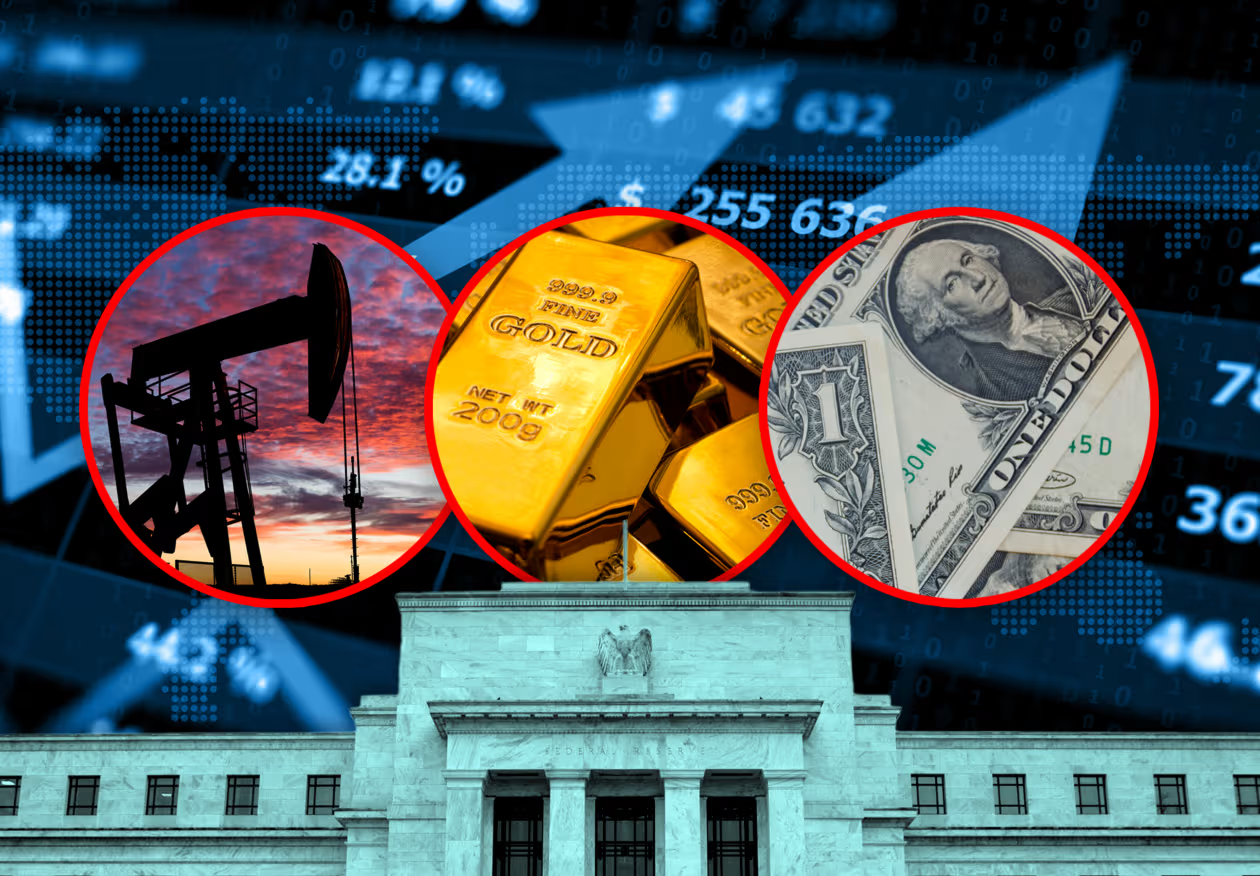
It appears that the impact of the ongoing Middle East Crisis on Ghana could be a mixed bag. The global markets are reacting sharply to the escalating tensions involving the United States, Israel, and Iran.
As of Monday morning, the US dollar, Crude Prices, and Gold have started reacting to the crisis. The development has significant implications for Ghana, which is heavily reliant on the global market and hence highly vulnerable to shocks.
For the US dollar, investors are fleeing to it as a traditional safe haven. The US dollar is strengthening. The same applies to gold prices, which are climbing. At the same time, crude oil is surging.
Given these ripple effects, for Ghana, the impact could be significant and could be both positive and painful.
A Stronger Dollar: Pressure on the Cedi


When global uncertainty rises, investors typically move funds into the US dollar. A stronger demand for the US dollar is a good omen for its strength. A stronger dollar often means emerging market currencies, which are reliant on the currency for their foreign transactions, including the cedi, come under pressure.
Reuters further reports that the U.S. dollar rose against the euro, yen, and Swiss franc on Monday, “lifted by higher energy prices and safe‑haven bids after U.S. and Israeli strikes in Iran heightened concerns about a prolonged conflict in the Middle East.”
It is even predicted that the dollar “could strengthen by 0.5%-1% for every 10% increase in oil.”
This means more for Ghana as a country that imports large volumes of fuel, machinery, pharmaceuticals, and food items priced in dollars. If the dollar strengthens further, import bills rise. That increases demand for foreign exchange locally and can weaken the cedi.
A weaker cedi makes imported goods more expensive. That could slow the recent gains made in lowering inflation and stabilising prices.
In short, the Middle East tensions will not only affect Ghana through crude prices as expected. There is also a major threat from the US dollar as it demand rises due to the quest for safe havens by investors as global uncertainties rise.

Crude Oil Surge: A Double-Edged Sword
Crude oil development presents a more complicated picture for Ghana. Brent Crude has recorded a 10% rise in prices and Natural Gas has also seen a 50% surge in prices as of Monday.
This has direct consequences for Ghana. Although Ghana produces crude, it remains a net importer of refined petroleum products. Rising global crude prices typically mean higher ex-pump fuel prices domestically. This means that OMCs are likely to adjust prices in accordance with the rise in crude prices on the international market.
The ripple effect of the hike in fuel prices at the pumps is direct. It could lead to higher transport fares, increased food prices, and rising utility and production costs
This could put the country’s disinflationary trend in disarray. Businesses that rely on fuel, from manufacturing to agriculture, may face rising operating costs. Consumers could feel the pinch through higher living expenses.
While Ghana may earn more from crude exports if prices remain high, the benefit could be offset by the higher cost of importing refined products and subsidising energy-related expenditures.

Gold Rally: A Major Revenue Boost
There is, however, a silver lining for Ghana amid this Middle East crisis. The conflict has escalated the gold price rally. Gold prices are rising as investors seek safe assets. As of Monday, the prices of gold have recorded a 2% surge.
This rally does not make it an “all loss” affair. Ghana, one of Africa’s leading gold producers, stands to benefit significantly. The higher gold prices translate into increased export earnings, stronger foreign exchange inflows, improved current account balance, and higher mining royalties and corporate tax revenues
This could provide critical support to Ghana’s reserves and help cushion currency pressures triggered by the stronger dollar.
If sustained, elevated gold prices may even strengthen fiscal buffers and improve government revenue performance.

Overall Impact: A Balancing Act
The aftermath of the Middle East crisis presents Ghana with a mixed outlook. As the rising dollar poses a threat to the rally of the local currency, the rising crude prices could further exacerbate the situation, given that the country is a net exporter of oil.
However, if the gold gains outpace the oil increases, Ghana may find some macroeconomic cushion. But if crude prices spike sharply and the dollar surges aggressively, inflationary pressures could return quickly.
As the tensions continue, Ghana, like many emerging economies, must navigate a volatile global environment where geopolitical risk is once again shaping economic outcomes.


