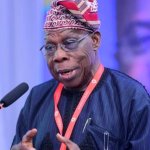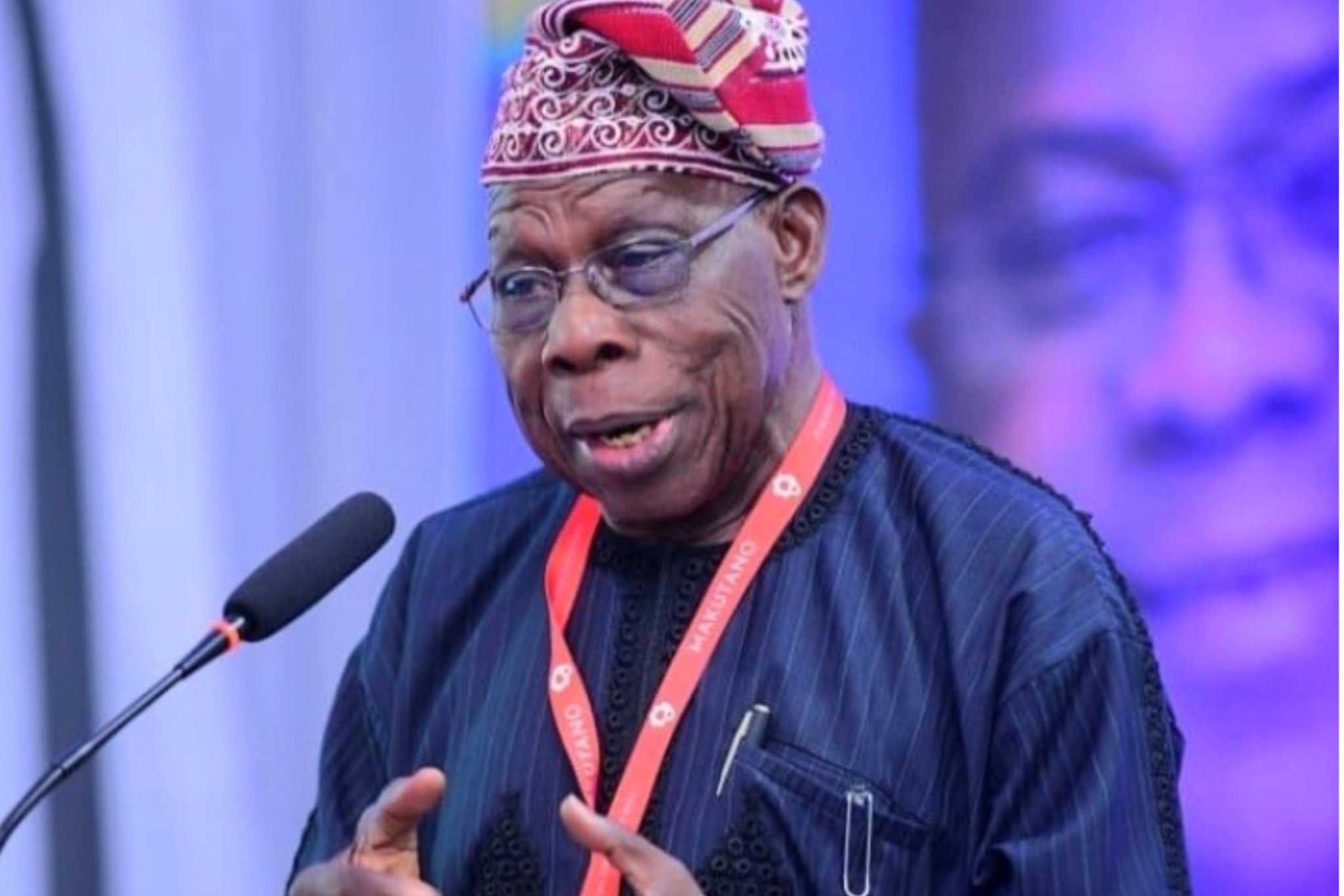
Former Nigerian President Olusegun Obasanjo warned at the World Economic Forum (WEF) in Davos that African countries risk being reduced to bargaining chips in a rapidly reorganising global economy unless they strengthen their capacity to negotiate, coordinate and execute policy at scale.
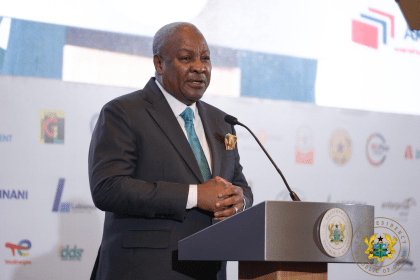
Speaking at The Accra Reset, a side event hosted by President John Mahama at the WEF, Obasanjo said the global system underpinning development finance and trade is becoming increasingly unstable, with supply chains redrawn, geopolitics fused with economics and traditional aid architecture under strain.
He said development assistance is shrinking under fiscal pressure in advanced economies, while multilateral institutions are struggling with fragmented mandates and declining trust. In such an environment, countries that lack organisation and execution capacity will not merely fall behind, but will lose leverage altogether.
The Accra Reset initiative, Obasanjo said, is intended to move African leadership from complaint to construction, focusing on practical action rather than declarations. He described it as an effort to define a new resource and investment architecture capable of delivering sustained and inclusive growth.
Obasanjo echoed Mahama’s assessment that Africa remains trapped in a “triple dependency” on external security, donor-funded social systems and raw commodity exports. That dependence, he said, weakens domestic accountability and exposes countries to external geopolitical shocks.

True sovereignty, Obasanjo argued, is not symbolic but operational. It depends on the ability to make choices, mobilise capital, negotiate firmly and implement decisions at scale. Without execution, he said, sovereignty cannot be sustained.
The Accra Reset will now move toward defining concrete programmes and partnerships, with Mahama expected to outline the initiative’s strategy and governance framework as discussions continue at the African Union and other international forums.