

Ghana is blessed with fertile lands, a good climate, and a rich agricultural history. Yet, ironically, food inflation remains a persistent thorn in the economy’s side, consistently driving overall inflation to alarming heights. Recent reports indicate a troubling rise in food insecurity, with the rate of insufficient food consumption surging by 5.77% in July 2024.
This alarming trend is largely attributed to persistent high inflation, a weakening currency, and soaring fuel prices, which have significantly increased the cost of essential commodities, particularly staple foods like maize and rice.
Compounding these economic challenges, Ghana faced a severe drought affecting over 928,000 farmers, further threatening the country’s food security. In response, the government initiated measures to mitigate the impact, including seeking $500 million from the World Bank to avert a looming food crisis.
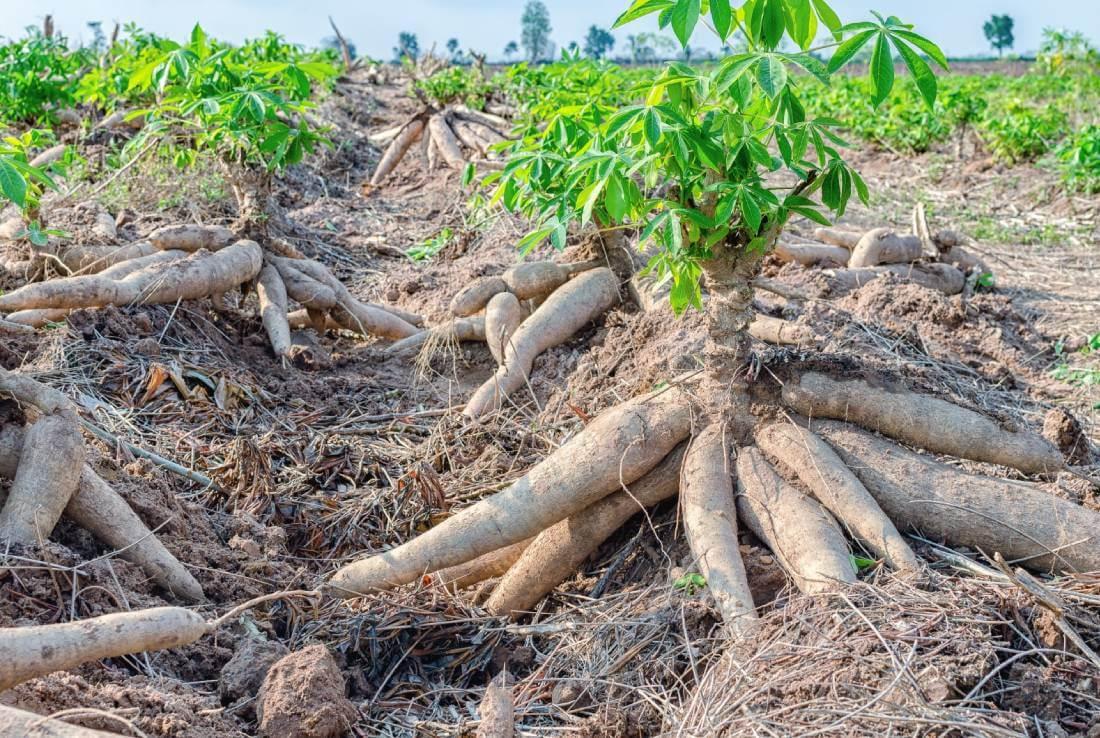
Food prices in Ghana routinely top the list of high-inflation commodities, often averaging over 50%. But why? Many point to weather conditions and their effect on crop yields. While weather is undoubtedly significant, perhaps the real issue lies in how we harness the unique agricultural potential of each region across the country.
A closer examination reveals a clear opportunity: Ghana can reimagine its agricultural calendar through regional crop specialization and year-round farming. This strategy, rooted in comparative advantage, could be the game-changer needed to stabilize food supplies, control prices, and build resilience in the face of economic shocks.

The Missed Opportunity in Ghana’s Regional Agricultural Potential
Ghana’s diverse regions are each endowed with unique strengths. The northern savannahs boast ideal conditions for cereals and legumes, while the forest regions excel in growing cash crops like cocoa and oil palm. Coastal areas, with their favorable climate and proximity to water, are perfect for vegetables and fishing-related activities. Yet, our agricultural practices remain largely stuck in seasonal cycles that limit output, heavily depend on rainfall, and fail to maximize the specific advantages of these regions.
The current mindset that “only certain seasons and specific areas work for certain crops” constrains our potential. Imagine if Ghana mapped out a detailed, region-specific agricultural calendar based on each region’s climate, soil type, and crop adaptability. Farmers could then be guided to produce the right crops at the right time, ensuring a steady supply of food all year round.

Rethinking Farming with a Year-Round, Regional Approach
The concept is simple yet transformative: shift cropping across regions, informed by data-driven research on climate patterns and regional strengths. This approach would allow Ghana to continuously produce food throughout the year, reducing reliance on imports and taming inflation. Here’s how it could work:
- Identify Regional Strengths: Comprehensive research should map out the comparative advantages of each region. For instance, while the Northern Region can focus on maize and millet during the dry season with proper irrigation, the Ashanti Region could focus on plantains and cocoyams year-round thanks to its humid climate.
- Seasonal Collaboration Across Regions: By creating a network of regional collaboration, Ghana can ensure continuous farming cycles. For example, as harvests in one region peak, another can begin planting crops that thrive under its current conditions, ensuring no seasonal gaps in food production.
- Climate-Resilient Farming Techniques: With proper irrigation systems, weather variability can be mitigated. Adopting drought-resistant crops in arid regions and flood-resistant varieties in wetter zones would further stabilize yields.
- Leveraging Technology and Data: Data-driven farming, supported by mobile technology, can provide farmers with precise planting and harvesting schedules based on real-time weather data and soil conditions. This would enhance decision-making and optimize output.

The Comparative Advantage Payoff
Ghana’s agricultural system has much to gain by applying the principle of comparative advantage to farming. If each region focuses on producing crops for which it has the lowest opportunity cost, in terms of labor, water use, and soil suitability, the country can enjoy greater efficiency and higher yields. Beyond stabilizing food supplies, this approach could significantly lower food prices, boost exports, and reduce dependence on imports.
Moreover, year-round farming would create more jobs, increase incomes for farmers, and improve national food security. By reducing the volatility caused by seasonal shortages, Ghana could shield itself from inflationary pressures stemming from food scarcity.
Shifting the Narrative
To achieve this vision, we need to move away from seeing weather conditions as obstacles and start viewing them as opportunities. Rain or shine, Ghana’s regions have the potential to sustain agriculture throughout the year if we harness their unique advantages. What’s required is bold leadership, investment in research, and coordinated action among policymakers, agricultural experts, and farmers.
This is not just about growing more food, it’s about rethinking how we farm, how we trade, and how we feed ourselves. By adopting a region-specific, data-driven approach to agriculture, Ghana can finally unlock its full potential, stabilize its economy, and write a new chapter in its fight against food inflation.


