

The European Central Bank (ECB) has cut interest rates from 2.75% to 2.5% for the sixth time in nine months.
This is a move to spur economic growth in the eurozone amid fast-rising economic uncertainties and threats. Already there are lingering threats of potential increase in US tariffs and the need to increase the European military budget.
The 6th cut in the rate comes amidst a sell-off in German government bonds, which quickly spread to other bond markets, including the UK. Germany’s decision to ramp up military and infrastructure spending funded through higher debt led to its biggest bond market sell-off in years, driving borrowing costs higher.
The yield on Germany’s 10-year bonds surged to 2.929%, the highest since October 2023, causing a ripple effect that also increased UK borrowing costs.
A report by BBC indicates that with inflation inching closer to the 2% target, the ECB says the cut in the interest rate is making new loans less costly for firms and households.
READ ALSO

Although the cut is expected to spur growth, the ECB has rather trimmed its prediction for Eurozone growth. The bank anticipates growth to moderate at just 0.9%, slightly higher than the 0.7% recorded last year.
It is quite unclear whether this decision might affect the actions of the Monetary Policy Committee of the Bank of Ghana later this month. Global financial and economic happenings often play a key role in the decision of the committee.
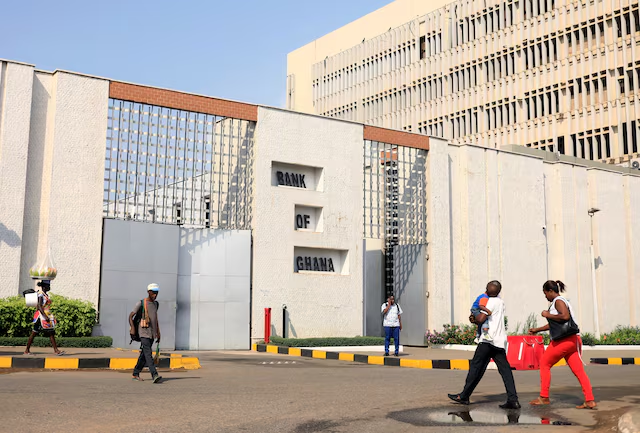
Amid these global economic shifts, Ghana’s central bank is set to meet this month under the leadership of its new governor, Dr. Johnson Asiama. The Bank of Ghana will assess the country’s inflation trajectory, interest rates, and exchange rate stability in light of external pressures.
With the ECB cutting rates to make loans less expensive, it is unclear if the recent slight decline in inflation will be enough to force the MPC to lower Ghana’s monetary policy rate.


