

Ghana’s cocoa farmers are poised for a significant boost in earnings in dollar terms as the Ghana Cocoa Board (COCOBOD) prepares to revise the producer price upward in response to record-high global cocoa prices. However, COCOBOD warns that the recent sharp appreciation of the cedi could dampen the local currency value of the gains.
Speaking in an interview COCOBOD Chief Executive Officer, Dr. Randy Abbey, confirmed that plans are underway for a substantial increase in the producer price when measured in U.S. dollars.

“The truth is that we are convinced and it is going to happen. On the dollar side, we will see its impact. Based on the strength of the cedi, in cedi terms, you may not see anything significant.” Dr. Abbey stated.
The cautionary note reflects the complex interplay between favorable global commodity prices and domestic macroeconomic variables. While international cocoa prices have soared in recent months driven by supply shortages and speculative market activity the strengthening of the Ghanaian cedi could limit how much of that upside translates into actual take-home pay for farmers.

“What we are seeing now is a situation where global prices are high, and that would normally translate into higher incomes for our farmers. But with the cedi appreciating sharply, the gains could be reduced when translated into Ghana cedi,” he explained.

COCOBOD is currently engaging stakeholders to develop a pricing framework that accounts for both global market dynamics and domestic currency conditions. The goal, according to Dr. Abbey, is to ensure cocoa farmers receive a fair and competitive price that protects their livelihoods amid fluctuating exchange rates.
“Farmers deserve to benefit from the favourable market conditions, and we are working with stakeholders to ensure the final producer price reflects both global trends and domestic realities,” he affirmed.
The anticipated price revision arrives at a time of heightened concern over income stability for primary producers, particularly in Ghana’s key export sectors. Currency fluctuations and inflation have been known to erode gains from international market rallies, making price-setting a delicate balancing act for policymakers.
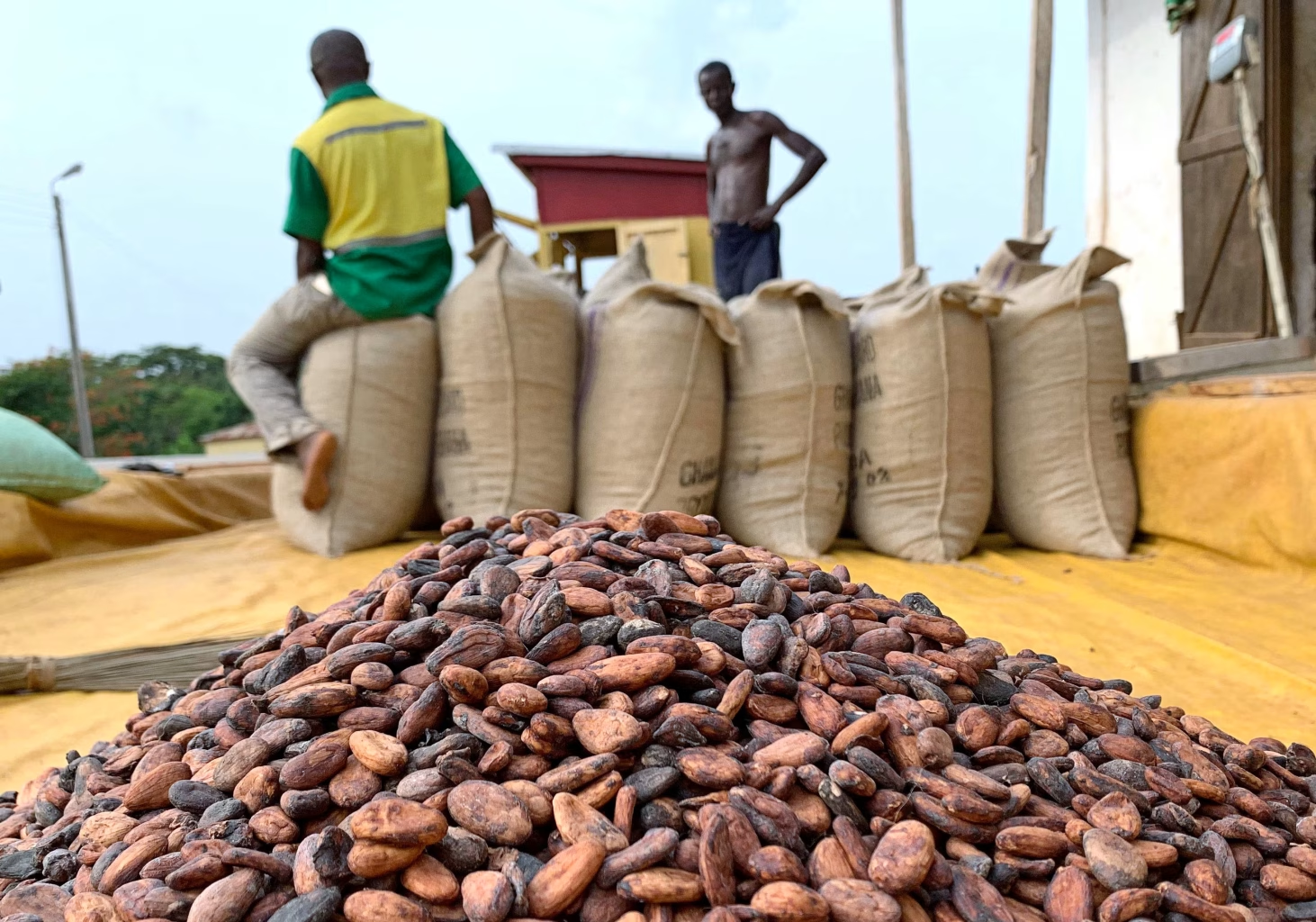
Cocoa remains a cornerstone of Ghana’s economy, both as a leading foreign exchange earner and a livelihood anchor for millions of rural households. Ensuring that producer prices reflect global gains without being neutralized by domestic currency strength will be crucial to sustaining farmer confidence and long-term sectoral growth.


