Africa must accelerate market integration or risk falling further behind in a rapidly changing global economy, the Secretary General of the African Continental Free Trade Area (AfCFTA) said on Wednesday, as global trade becomes more fragmented and protectionist pressures intensify.
Wamkele Mene said decades of structural fragmentation continue to weigh on the continent’s growth prospects, citing divided markets, multiple currencies, high transport and logistics costs, and persistent barriers to the movement of people. Without decisive action, he warned, Africa could remain a region of unrealised economic potential.
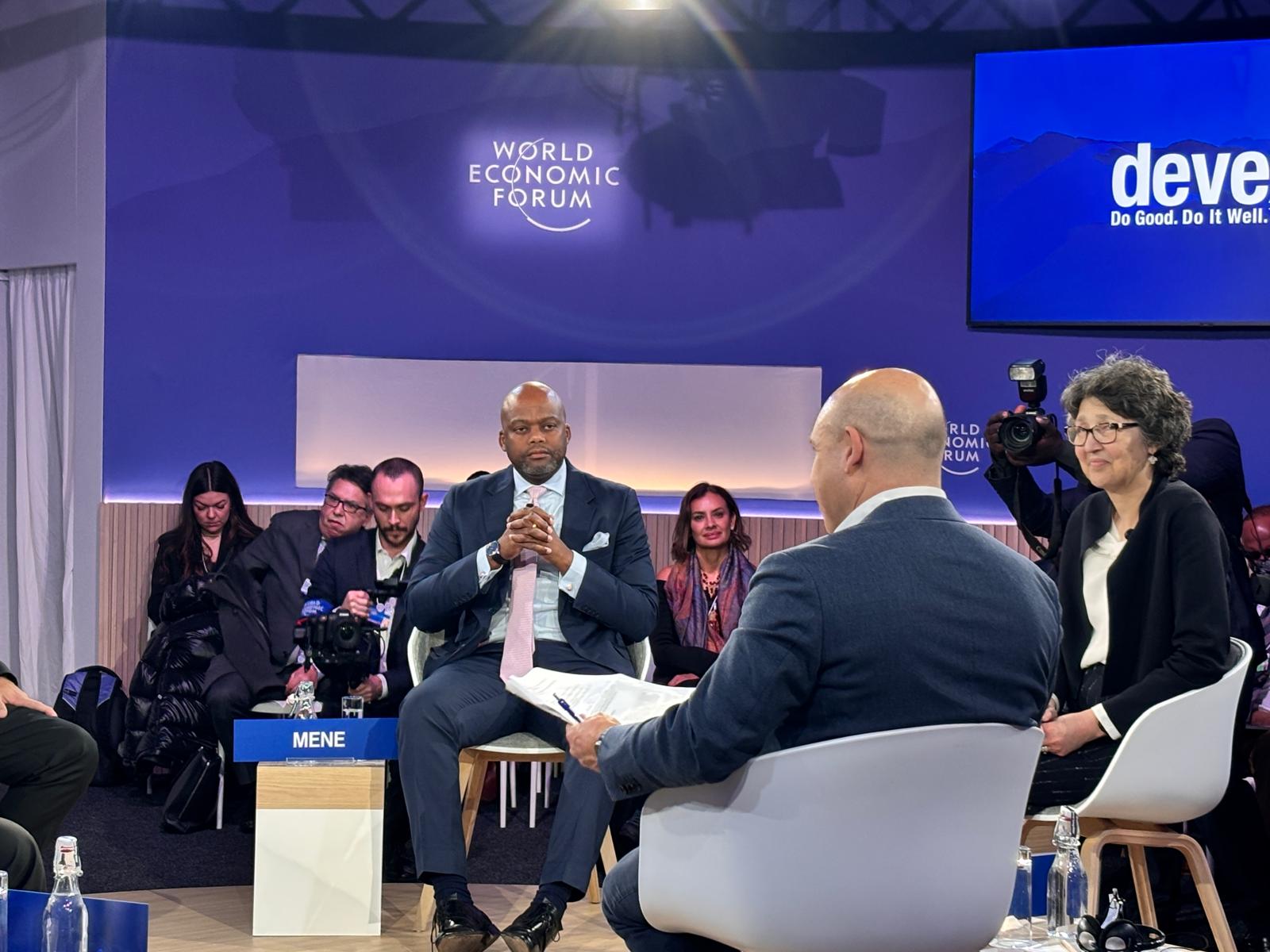
Speaking on a high level panel on the margins of the World Economic Forum annual meetings in Davos, Mene said the AfCFTA is shifting from negotiation to implementation, with a renewed focus on lowering the cost of trade and investment across the continent.
The panel, themed “How Can Africa Prosper in the New Economy?”, included Sierra Leone’s President Julius Maada Bio and other policymakers and business leaders.
Mene said the elimination of intra African trade and investment barriers is central to Africa’s response to a more volatile geopolitical environment. Building a functioning continental market, he argued, would reduce exposure to external shocks while strengthening the region’s bargaining power in global trade.
“This is a compelling moment,” Mene said, “for Africa to build its own domestic market. At the heart of Africa’s response to the current geopolitical moment must be the acceleration of market integration.”
The AfCFTA, which aims to create a single market across more than 50 countries, is Africa’s most ambitious effort to address long standing structural constraints by harmonising rules, easing cross border trade and supporting regional value chains.